
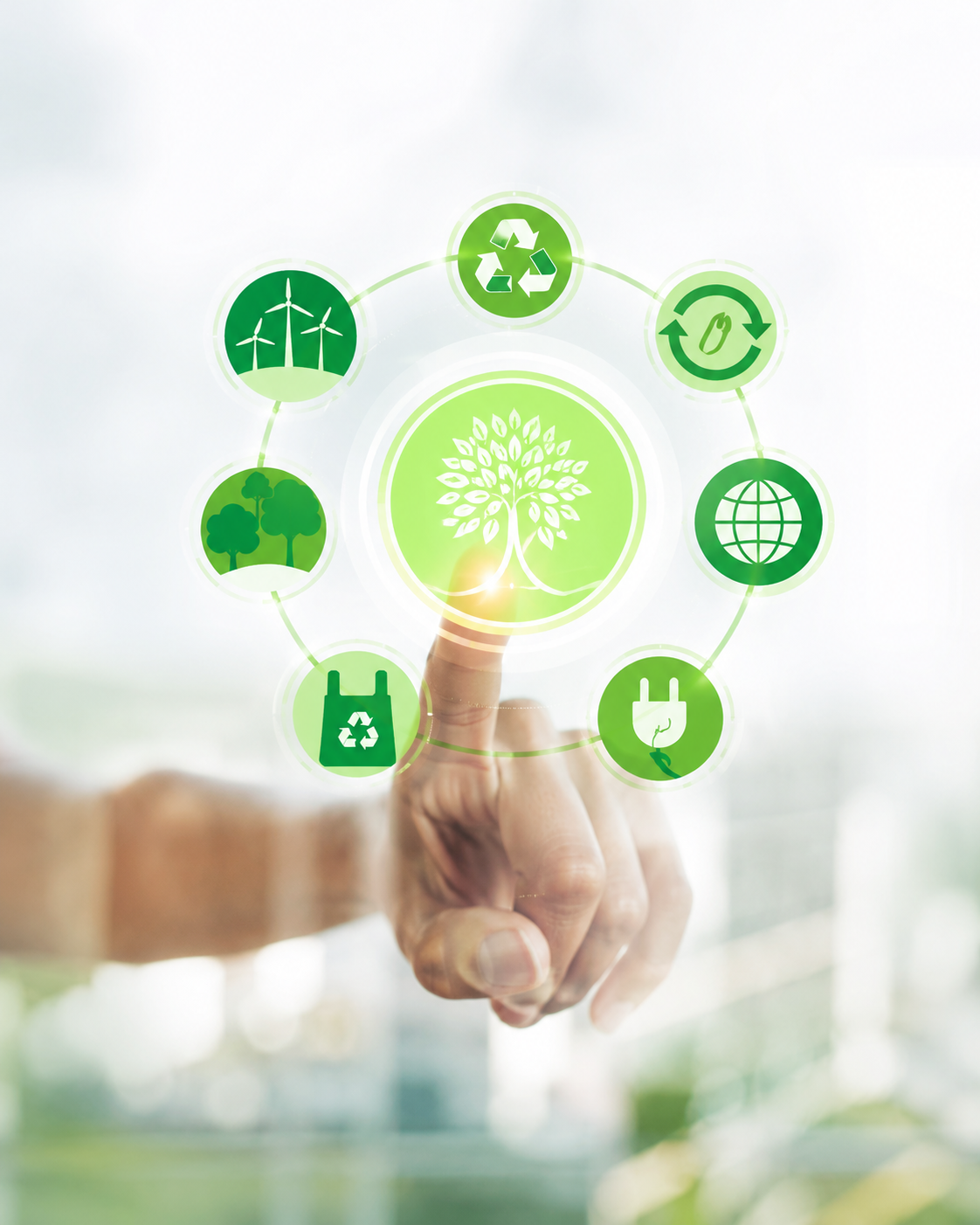
At Abeiro, we believe building better also means building with less impact. From design to on-site execution, there are decisions that cut emissions, improve comfort, and reduce long-term energy use.
What Is a Carbon Footprint in Construction?
It’s the total CO₂ emissions linked to a building’s full life cycle, from materials to end of life:
• Material extraction and manufacturing
• Transport
• On-site construction
• Use and maintenance (energy, repairs)
• Demolition, recycling, or reuse
According to various estimates, the building sector accounts for a significant share of global emissions—so every improvement matters.
5 Key Ways to Reduce Carbon Emissions
Design to Use Less Energy (Bioclimatic + Efficient)
• Smart orientation and natural ventilation
• High-performance insulation and windows (ETICS/SATE, thermal break frames, quality glazing)
• Solar control: shading, overhangs, protection systems, etc.
Goal: reduce heating and cooling demand from day one.
Choose Lower-Impact Materials
• Local materials (less transport): local stone and timber, etc.
• Recycled or reused solutions where feasible
• Certified timber (FSC/PEFC) and products with Environmental Product Declarations (EPDs), when applicable
Practical tip: aim for “less material” and “better material” (optimize thicknesses and systems).
Use Renewables and Efficient Systems
• Air-source or ground-source heat pumps instead of higher-carbon systems
• Solar PV (for the building and, when possible, support during construction)
• LED lighting and smart controls/home automation to optimize consumption
Go Modular/Prefabricated to Cut Time and Waste
• Industrialized/prefab construction = less material waste and fewer machine hours
• Faster, cleaner, more predictable sites (quality and control)
Manage Waste and Site Logistics Properly
• Real separation and recycling of rubble and leftovers
• Reuse elements when possible (timber, components, etc.)
• Planned deliveries and storage to avoid unnecessary trips
• Efficient machinery and hybrid/electric transport where it fits
Benefits of Low-Carbon Construction
• Long-term savings on energy and maintenance
• Better thermal and acoustic comfort
• Higher property value (market + efficiency)
• Stronger alignment with current and future regulations
• A responsible, sustainability-driven brand image
Grants and Incentives (Depending on the Call)
Many projects may qualify for support such as:
• Next Generation EU-related programs (rehabilitation and energy efficiency)
• Regional programs (e.g., Xunta de Galicia “Rehabilita”)
• Local tax rebates (IBI/ICIO) in some municipalities for energy upgrades
Conditions vary by municipality and year—best checked case by case.
Common Mistakes That Increase the Carbon Footprint
• Choosing materials “by habit” without comparing impact/alternatives
• Poor site logistics (extra trips, waiting time, over-ordering)
• Underusing renovation potential when upgrading an existing building is possible
• Designing without prioritizing energy demand (and then “patching” it with equipment)
Why Abeiro?
• End-to-end approach: design + execution focused on efficiency and durability
• Practical solutions (sustainable must also be feasible and easy to maintain)
• Technical guidance to help you make the right decisions
Want to cut emissions without making your project complicated?
Tell us your idea and we’ll suggest concrete improvements to make your project more efficient and sustainable—from the first drawing to the final finish.

c/ San Roque 33, Bajo
Santiago de Compostela

© Abeiro